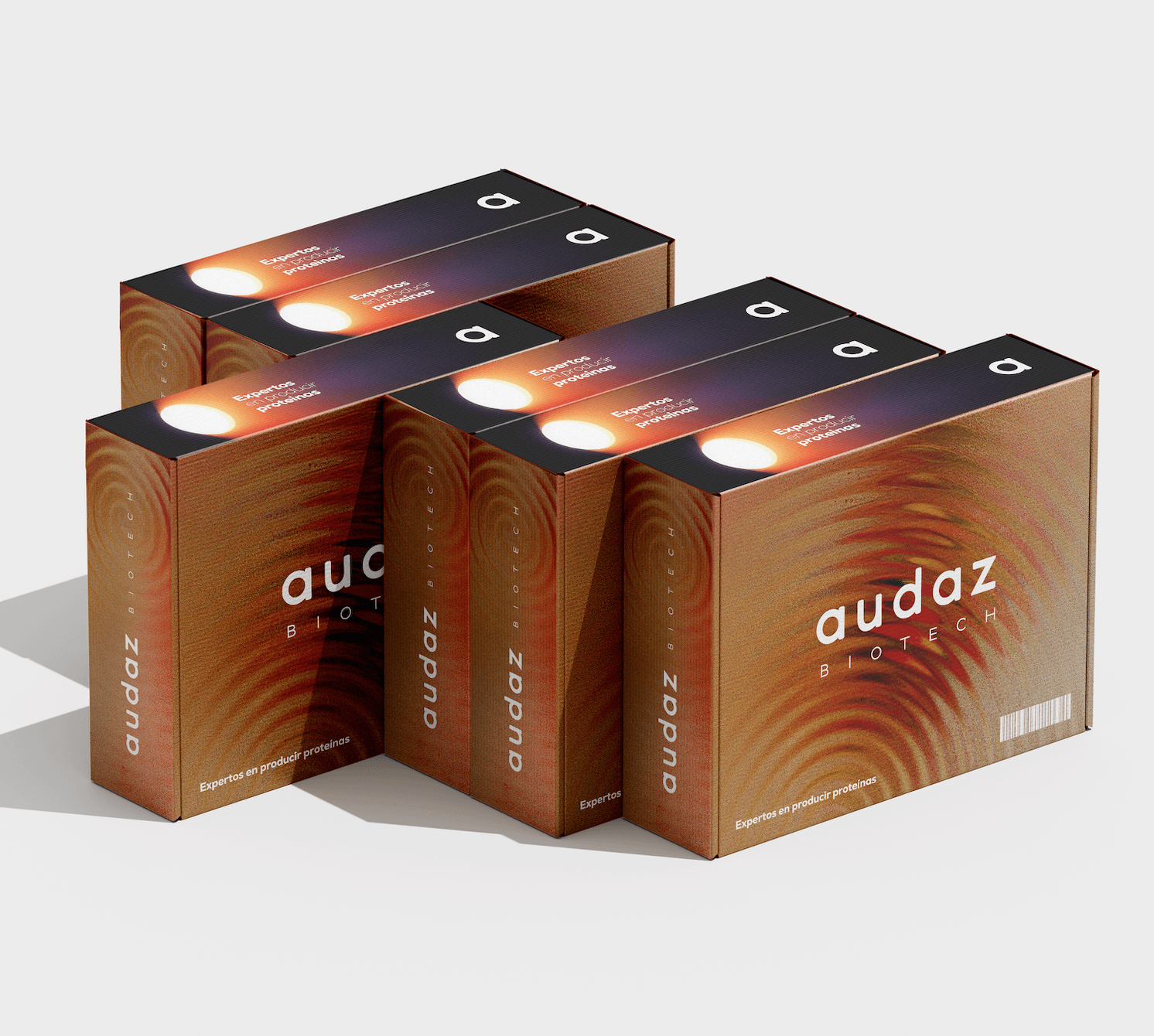
AuTaq qPCR Master Mix SYBR Green 2X
AuTaq qPCR Master Mix SYBR Green is a ready-to-use 2X concentrated solution optimized for real-time quantitative PCR. Contains aptamer-mediated hot start Taq DNA Polymerase, SYBR Green I dye, dNTPs, MgCl₂, and optimized buffer.
Ready-to-use: Just add primers, template, and water. The 2X format uses 10 µL per 20 µL reaction, leaving 10 µL for oligos and template
Kit contents
- AuTaq qPCR Master Mix SYBR Green 2X
- 1 mL (100 rxn)
- PCR-grade Water
- 1.5 mL
- ROX Reference Dye (separate vial)
- 150 µL (10 µM)
Main advantages
- Universal compatibility: Bio-Rad, ABI, Roche, QIAGEN, Agilent. ROX supplied separately for instruments that require passive normalization
- High sensitivity: Detection of low copy targets
- Specificity: Melt curve analysis confirms a single specific product
- Aptamer hot start: Room-temperature reaction setup; suppresses primer-dimers and non-specific amplification
This product is for research use only. It is not intended for diagnostic or therapeutic use in humans or animals.
AuTaq qPCR Master Mix SYBR Green 2X
General description
AuTaq qPCR Master Mix SYBR Green is a ready-to-use 2X concentrated solution optimized for real-time quantitative PCR. Contains aptamer-mediated hot start Taq DNA Polymerase, SYBR Green I dye, dNTPs, MgCl₂, and optimized buffer.
- SYBR Green I: Intercalating dye for real-time detection
- Ready-to-use: Just add primers, template, and water. The 2X format uses 10 µL per 20 µL reaction, leaving 10 µL for oligos and template
- Optimized: High sensitivity and specificity
Quality control
All batches are subjected to rigorous testing:
- Sensitivity: Detection of low copy targets
- Specificity: Single peak in melt curve; Tm ≈ 84°C for the GAPDH amplicon (see Appendix)
Aptamer-mediated hot start
The DNA polymerase is supplied in an inactive form: a short DNA aptamer folds onto the enzyme and blocks its active site at ambient temperature. On heating, the aptamer unfolds and releases the polymerase. Because the block is thermal and reversible rather than a covalent chemical modification, activation is fast and the enzyme is not degraded by the activation step.
- Room-temperature setup: Reactions can be assembled on the bench without the polymerase extending mispriming events
- Fewer primer-dimers: Non-specific products formed during setup are suppressed, important for SYBR Green detection, where any double-stranded product generates signal
- Fast activation: 3-5 min at 95°C, against the 10-15 min required by chemically modified hot start enzymes
- Shorter runs: The reduced activation step lowers total run time compared with chemical hot start chemistries
Note: the initial 95°C step both denatures the template and releases the aptamer. It may be shortened only after verifying that Ct is not delayed, and must not be omitted.